Men's Spring Racing Suits in Brisbane and Queensland: Your Complete Race Day Guide
Spring racing season is one of those rare points on the Australian social calendar where men are expected to dress well and actually want to. The races give you genuine permission to put on something sharp, think about colour, and show up looking like you made an effort. The problem is that most blokes leave it too late and end up in whatever is hanging in the wardrobe from three years ago.
If you are heading to Eagle Farm or Doomben for Brisbane Racing Club events, to the Gold Coast Turf Club, or to any of the Queensland race days that fill the spring calendar, this guide covers what you actually need to know about dressing for it — from the dress code requirements through to what makes a custom suit work so much better than anything off the rack.
Understanding the Brisbane Racing Club Dress Code
The Brisbane Racing Club has a dress code that is stricter than some people expect. In the Members Reserve, a suit jacket is required to enter Members Only Bars. The general expectation throughout Members areas is a tailored suit or blazer with dress trousers, a collared shirt, and covered dress shoes. Ties are optional in most areas but expected in the Mounting Yard and more formal enclosures.
What this means practically is that a pair of chinos and a blazer might get you through the gate, but it is not the look you want for a serious race day. A well-cut suit — properly fitted, in the right weight of fabric — is the right answer. And in Brisbane's spring heat, the fabric choice matters enormously.
What to Actually Wear: Colour and Fabric for Queensland Race Days
The Queensland spring racing calendar runs from September through November. Temperatures at Eagle Farm and Doomben during this period typically sit between 24 and 32 degrees, which means the fabric your suit is made from is not a trivial consideration.
Lightweight wool — a Super 100s or Super 120s — is the standard recommendation for warm-weather race days. It holds its structure through a long day, does not wrinkle badly in the heat, and breathes far better than a polyester or synthetic blend. For the hottest days, a linen-blend or a fine cotton-linen mix offers maximum comfort without sacrificing the tailored look.
On colour: navy is the most versatile choice on the Queensland circuit. It photographs well in bright outdoor light, works with a wide range of shirt and tie options, and never looks like a mistake. Mid-grey and stone are excellent alternatives for a slightly less formal or more summer-appropriate look. Tan, camel, and light green have become increasingly popular for Queensland race days in recent years — they suit the climate and stand out in a sea of navy and charcoal without looking like a costume.
What to avoid is black. True black is a funeral colour that loses its texture in direct sunlight and absorbs heat. At an outdoor Queensland race day, you will regret it by the second race.
The Three-Piece Option
The three-piece suit — jacket, trousers, and waistcoat — is well worth considering for Brisbane race days. The obvious advantage is the waistcoat: when the jacket comes off in the heat of the afternoon, a waistcoat keeps the look intentional and polished rather than just looking like a man standing in his shirt sleeves. It also adds considerable versatility to the suit across the racing season, since the waistcoat and jacket can be worn or removed independently depending on the formality of the event.
The Accessories That Make the Difference
Race day dressing for men lives and dies on accessories. A plain navy suit with no other detailing is fine but forgettable. The same suit with a well-chosen pocket square, a tie that picks up an unexpected colour, and shoes that actually match the occasion is a completely different result.
Ties should be silk for formal enclosures or anything in the Members Reserve. A knit tie is acceptable for more relaxed areas. Width should match your lapel — a slim lapel wants a slim tie, and a wider lapel can handle a broader knot. For spring racing specifically, florals, checks, and bold geometric prints are fair game. This is the one occasion of the year where a man in a tie with a large pattern looks correct, not conspicuous.
Pocket squares do not need to match the tie exactly. A complementary tone or a deliberate contrast usually looks more considered than a perfect match.
Shoes: tan Oxford or Derby in leather for lighter suits, dark brown or black for navy or charcoal. Suede works well for Queensland race days — it looks appropriately considered for the occasion and is forgiving in outdoor settings.
Why a Custom Suit Makes Race Day Different
Off-the-rack suits can work for a day at the races. But a made-to-measure suit cuts differently. The shoulders sit where your shoulders actually are. The jacket falls at the right length. The trousers have the right break over the shoe. Every photo taken throughout the day reflects that.
Race day is one of the occasions where you are likely to be photographed, whether in Fashions on the Field or just at trackside. A suit that fits correctly looks entirely different in those photographs than one that approximates a fit.
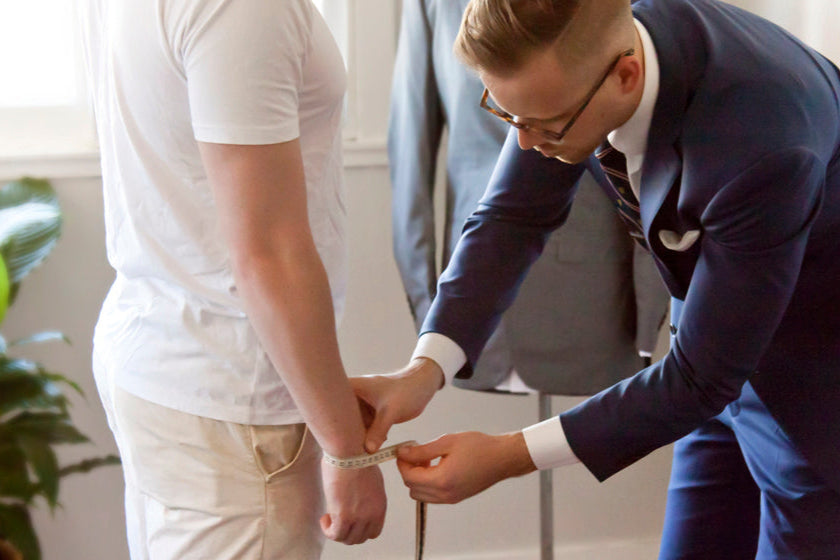
Suit Society's Brisbane studio handles race day consultations year-round. If you are planning for spring racing season, book your consultation early enough — the ideal lead time from first fitting to final delivery is 10 to 14 weeks, which means getting in before the end of winter for September and October race days.
Book your Brisbane consultation at suitsociety.com.au/pages/brisbane