Tuxedo vs Suit: When Do You Actually Need a Tux in Australia?
The question comes up more often than you would expect. An invitation arrives with the dress code 'black tie' or 'black tie optional', and suddenly there is genuine uncertainty: does this mean a tuxedo, or does a dark suit do the job? And if it does mean a tuxedo, is that something you hire, or is it time to actually own one?
The honest answer is more nuanced than most style guides acknowledge. Australia's relationship with formal dress codes is different from the UK or the United States, and what constitutes appropriate for a black-tie event in Brisbane is genuinely different from the same event in London.
Here is a clear-eyed guide to when a tuxedo is actually required, when a well-cut dark suit is the better answer, and what to do in the cases where it is genuinely either.
What Is a Tuxedo, Exactly?
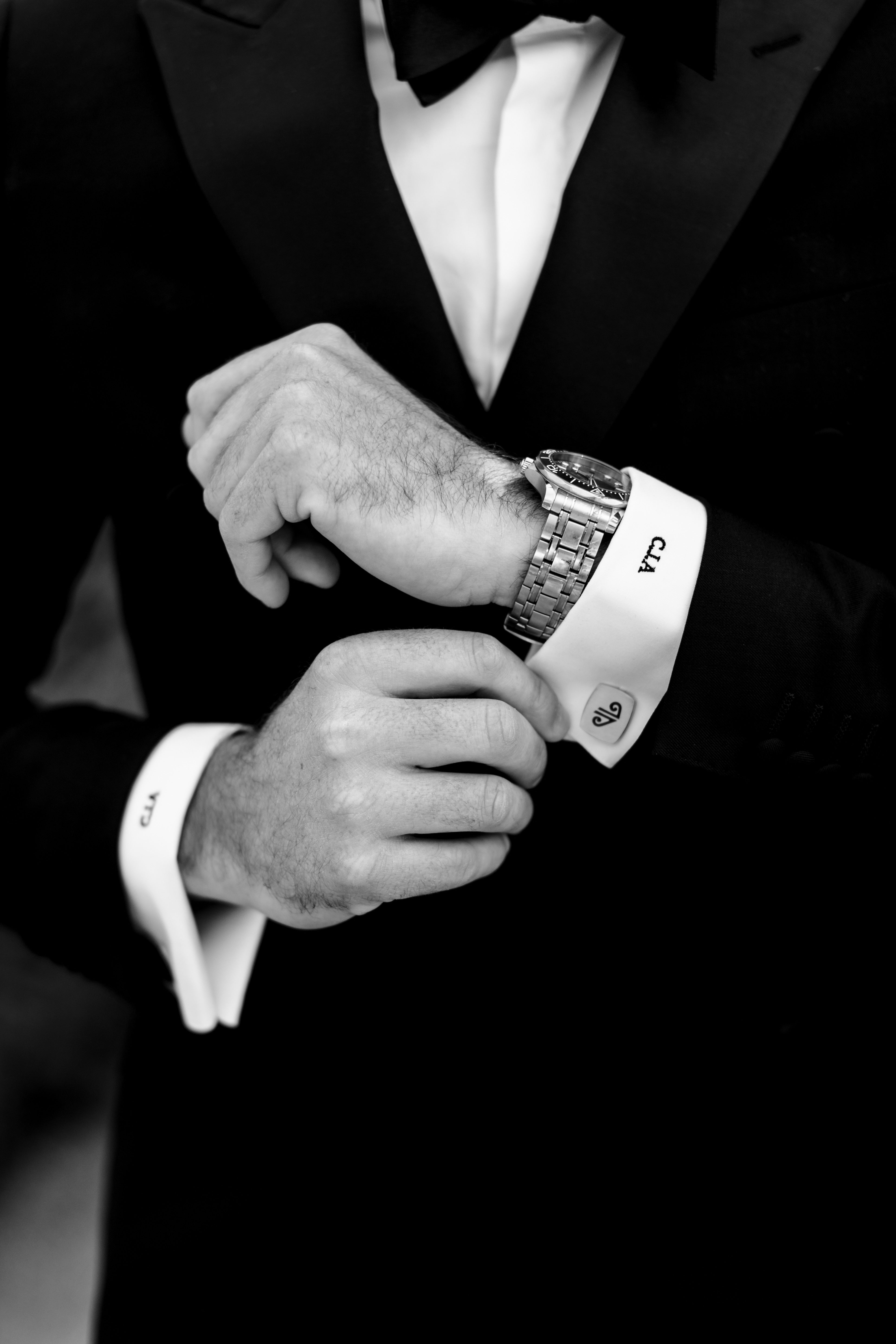
A tuxedo is a specific style of suit defined by a few particular features: satin or grosgrain lapels (usually peak or shawl, not notch), matching satin trim on the trouser side seam, no exterior pockets (traditionally), and worn with a formal dress shirt, a bow tie, and a cummerbund or waistcoat. The whole ensemble has a visual uniformity that is quite distinct from a regular suit.
The defining characteristic is the satin. It is what separates a tuxedo from a very dark formal suit, and it is the reason a tuxedo reads as 'black tie' in a way that a black suit does not.
When a Tuxedo Is Actually Required
Genuinely formal black-tie events do require a tuxedo. These include: black-tie charity galas, formal award ceremonies, state dinners, and some high-end corporate events. If the invitation says 'black tie' without qualification, the expectation is a tuxedo.
For weddings with a 'black tie' dress code, the expectation is the same — a tuxedo for men who are guests, and typically a tuxedo for the groom and groomsmen as well, though some grooms choose a very dark formal suit with a bow tie as a considered alternative.
In practice, at most Australian events described as black tie, a small percentage of attendees will be in tuxedos, a larger percentage in dark suits, and the overall standard is slightly more relaxed than the dress code technically calls for. This is not a reason to ignore the dress code if you have the option to meet it — looking correct in a properly fitted tuxedo stands out positively in any room.
When a Dark Suit Is Fine (and Often Better)
'Black tie optional' is an Australian dress code that effectively means: a tuxedo is appropriate but a dark formal suit is also acceptable. For this dress code, a charcoal or midnight navy suit — properly fitted, worn with a dress shirt and tie — is a perfectly correct choice and in some cases preferable. If you are not comfortable in a tuxedo or do not wear one often enough to feel natural in it, a suit you wear well is better than a tuxedo you wear awkwardly.
'Smart formal' or 'formal' in an Australian context almost always means a dark suit. Navy, charcoal, or black suit with a collared shirt and tie.
'Semi-formal' or 'cocktail attire' means a suit — colour and style have more flexibility, but a suit is the correct garment.
Hiring vs Owning a Tuxedo
For someone who attends one formal event every few years, hiring a tuxedo makes financial sense. The risk is fit — hire tuxedos are sized to standard proportions and rarely fit anyone especially well, which matters more in a tuxedo than in a regular suit because the satin details draw attention to fit imperfections.
For anyone who attends formal events regularly, or who is getting married and wants a genuinely exceptional groom's suit, owning a custom tuxedo changes the experience entirely. A made-to-measure tuxedo in a midnight navy (which photographs better than true black under most lighting conditions) is an investment that returns itself over ten years of formal occasions.
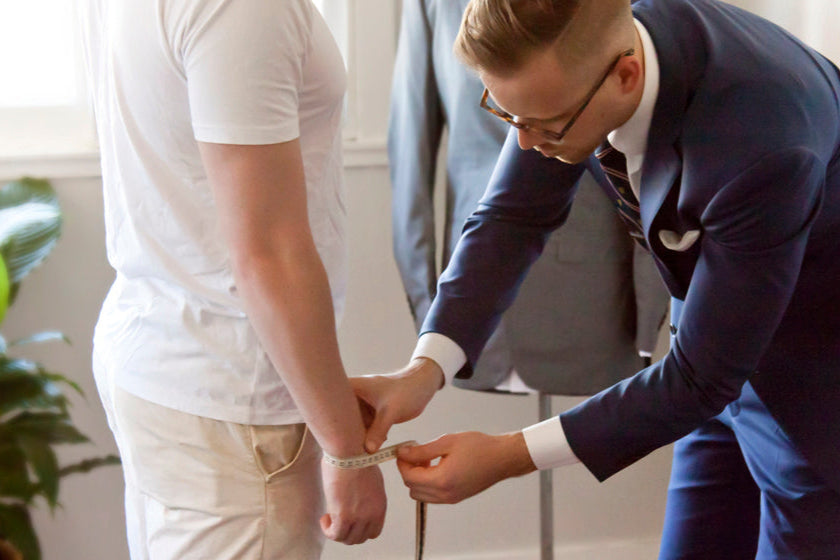
Suit Society builds custom tuxedos alongside its wider suiting range. The consultation process is the same — measurements, fabric and lapel choice, design confirmation — and the result is a tuxedo that actually fits and will last.
The Groom's Decision
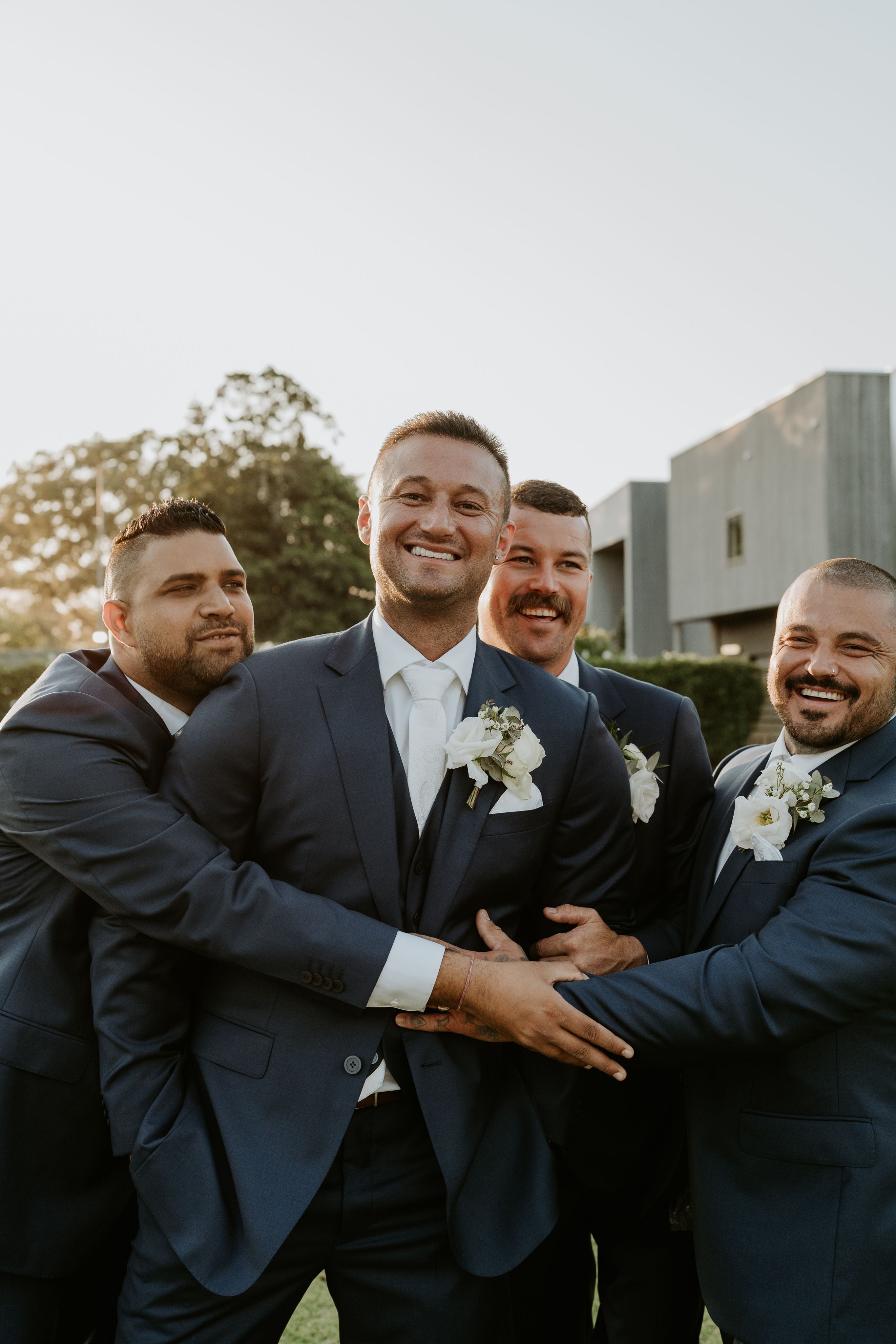
Grooms choosing between a tuxedo and a formal suit for their wedding day should consider: the formality of the venue, the time of day (evening events tend toward tuxedo, daytime events toward suits), and what their partner is wearing. A tuxedo groom at a casual outdoor garden wedding can look over-dressed in a way that sits uncomfortably in the photos.
The safest and most timeless approach for an Australian wedding is a well-cut dark suit for most occasions, reserving a tuxedo for specifically evening-formal events. But there is no wrong answer when the choice is made intentionally and the garment fits properly.
Discuss your formal occasion at suitsociety.com.au/pages/book